Houston Mobile Tire Repair Specialists for Flat Tire Emergencies
Experienced Tire Fixes: Resume Driving Securely and Fast
Skilled tire repairs serve an essential function in safeguarding vehicle security and performance. Experienced technicians undertake thorough inspections to uncover assorted tire concerns. From punctures to alignment complications, each issue warrants careful focus. Knowing when to turn to professional support can forestall ensuing complications. As drivers confront these hurdles, they may contemplate the most suitable repair options and care standards. Studying these areas can facilitate informed decisions and safer experiences down the road.
Typical Tire Troubles to Familiarize Yourself With
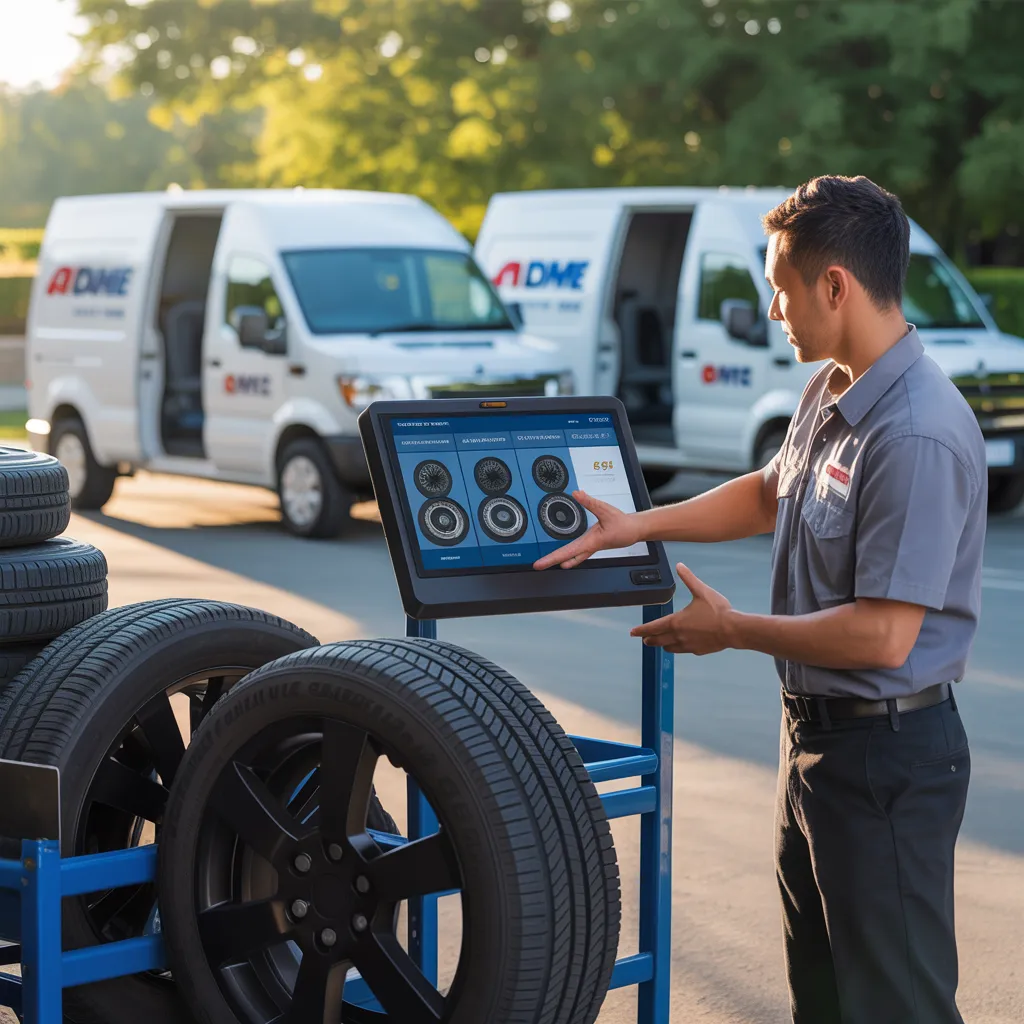
When drivers neglect to monitor their tires, they may encounter several typical problems that can compromise safety and performance. One frequent occurrence is underinflation, which can lead to increased tire wear and decreased fuel efficiency. Over time, this can cause the tires to overheat, increasing the risk of a blowout. Another common problem is tread wear, which impacts traction and handling, particularly in wet conditions. Uneven wear may indicate alignment or suspension issues, demanding further inspection. Additionally, drivers may encounter punctures or sidewall damage from road hazards, leading to slow leaks or complete tire failure. Regular tire rotations, inspections, and proper inflation are critical for preventing these issues. Finally, climate effects can also cause tire degradation, making it vital for drivers to pay close attention to their tire health. By identifying these common problems, drivers can enhance their safety on the road.
When to Determine About Getting Tire Work: A Reference?
Identifying the symptoms that tire repairs are important is key for preserving vehicle protection and capability. Drivers ought to stay alert for particular indicators that suggest tire issues. Asymmetrical deterioration formations on the contact surface, for example, may signal alignment complications or inadequate inflation. Moreover, visible damage, like cuts, bumps, or perforations, commonly requires quick response. A sudden loss of air force or constant requirement for air filling also tells that servicing may be necessary.
Motorists should take note of handling and performance changes, such as trembles or pulling to one side, which could indicate tire imbalances or internal damage. Lastly, regularly assessing tread depth is vital; tires with sections of wear compromise traction. By observing these signs, drivers can assure timely repairs, improving both safety and vehicle lifespan. Quickly addressing these issues not only prevents potential accidents but also cuts more costly repairs later.
What to Anticipate During the Tire Repair Procedure
The tire maintenance procedure generally involves several important steps to guarantee safety and performance. At first, a technician inspects the tire for visible damage and judges its entire condition. This check helps determine whether the tire can be fixed or must be replaced. After the inspection, the technician might remove the tire from the wheel to identify punctures or internal damage.
Once any issues are found, the specialist sanitizes the affected section and prepares it for repair. This may involve installing a seal or insert, depending on the nature and position of the harm. After the fix is finished, the tire is reinstalled and correctly inflated to the manufacturer's specifications.
Finally, a inspection process verifies that the repair meets safety standards. Throughout the procedure, repair specialists emphasize interaction, informing the customer of results and recommendations. This systematic method guarantees a reliable repair, enabling motorists to get back to the road with confidence.
Self-Service Tire Options in Comparison to Professional Help
Once learning the tire repair procedure, many motorists may assess whether to handle fixes by themselves or get professional support. DIY tire fixes can be appealing, especially for those with elementary mechanical expertise and implements. Simple punctures can often be repaired using mending kits available at auto supply stores, saving both time and expenses. However, this approach poses dangers if proper procedures are not utilized, conceivably causing further deterioration or protection concerns.
However, expert tire repair providers present specialized knowledge and specialized equipment. Trained technicians can accurately evaluate tire issues, confirming repairs prove effective and sound. They can also detect underlying problems that a do-it-yourself method might overlook. Ultimately, the decision regarding professional assistance versus DIY repairs copyrights on the driver's confidence, skill level, and how severe the tire damage is. Making a well-informed choice is vital for ensuring safety on the road.
Tips for Finding the Perfect Tire Repair Service
What steps can drivers take to guarantee they select the top-rated tire maintenance service? First, they should investigate nearby options, focusing on customer testimonials and ratings. This information delivers insight into the service quality and reliability of various shops. Next, reviewing for certifications and connections with recognized automotive organizations can suggest professionalism and expertise.
Moreover, motorists should question the repair options available, ensuring the service can handle their specific tire issues. Honest pricing is also critical; trusted shops give explicit estimates without unexpected fees.
Furthermore, assessing the shop's warranty policies on maintenance can provide confidence. Finally, accessibility is important—location near your residence or office, as review article well as available hours, can influence the choice. By taking into account these elements, drivers can confidently choose a tire repair service that meets their needs successfully.
Value of Regular Tire Maintenance
Regular tire upkeep provides numerous advantages that prolong the life span and functionality of tires. By regularly inspecting tire air pressure, tread depth, and overall condition, vehicle owners can guarantee optimal grip and control. Proper inflation decreases deterioration, improving fuel efficiency and reducing costs at the pump. In addition, routine checks can help identify problems such as irregular deterioration or damage, enabling for prompt fixes that avoid more significant problems down the road.
Maintaining wheel tires likewise boosts safety by minimizing the chance of tire failures or accidents due to insufficient tread. Furthermore, a well-serviced set of tires offers a smoother ride, raising comfort for both driver and passengers. When individuals devote time to regular tire care, they can maximize the value of their investment, ensuring reliable performance and peace of mind during driving. To sum up, regular tire maintenance is a key factor in responsible vehicle ownership.
Tips for Preventing Future Tire Problems
Being proactive in tire upkeep can significantly decrease the chance of upcoming issues. Consistently checking tire pressure is essential; low pressure can lead to early wear and reduced fuel efficiency. It is advisable to examine tires for apparent damage, such as cuts or bulges, which may indicate structural problems. Turning tires every 5,000 to 8,000 miles helps ensure uniform wear, prolonging their lifespan.
In addition, keeping proper alignment and balance is vital to prevent uneven tread wear. Drivers should also check tread depth, employing the penny test as a simple method; if Lincoln's head is visible, it's time for a replacement. Finally, avoiding excessive loading of the vehicle can minimize excessive strain on tires. By applying these strategies, vehicle owners can boost tire longevity and advance a safer driving experience.

Common Questions Raised
How much time does a standard tire fix take?
A typical tire fix typically requires between 30 minutes to an hour depending on the severity of damage and the particular repair needed. Factors like technician accessibility and workshop volume can also affect the duration.
Do All Tire Models Allow Repair?
Certain tire types cannot be repaired. Generally speaking, tread punctures in passenger tires might be fixable, though damage along the sidewall, substantial wear, or tires featuring multiple previous repairs typically require new tires to guarantee safety.
Understanding the Cost of Getting Your Tires Repaired?
Tire repair expenses typically range from $10 to $30, contingent on the extent of damage and where. Different factors including tire variety and the service provider could impact your final price tag, resulting in fluctuate.
Does Your Insurance Protect Tire Repair?
Protection for tire fixes depends on your insurance plan. Many plans offer emergency roadside support and repair costs, but some plans do not include such coverage. It's essential for individuals to look over their particular coverage information to determine what protection applies to tire maintenance.
What Strategies Can Assist Me Extend My Tire's Durability?
To extend a tire's service duration, planned care is essential. This features keeping pressures balanced correctly, switching tire positions often, sustaining proper wheel alignment, preventing excess loading, and monitoring tread depth for signs of wear or damage.